
Specialist Urology · Springwood, Brisbane
Urology Conditions & Symptoms.
Understand your symptoms, explore the possible causes and find the appropriate specialist pathway.
Urological problems can involve the kidneys, ureters, bladder, prostate or reproductive organs. Symptoms can overlap, and understanding the underlying problem is an important part of deciding on treatment.
Southside Urology provides specialist assessment for adult urinary tract conditions affecting women and men, along with male reproductive and genital health concerns.
Browse the six clinical areas below or search for a symptom using everyday language.
Your symptoms, medical history and previous investigations help guide the next steps.

Explore our clinical services
Six areas of urological care.
Select the area most relevant to your concern. Each category includes common symptoms and medical conditions that may warrant assessment.
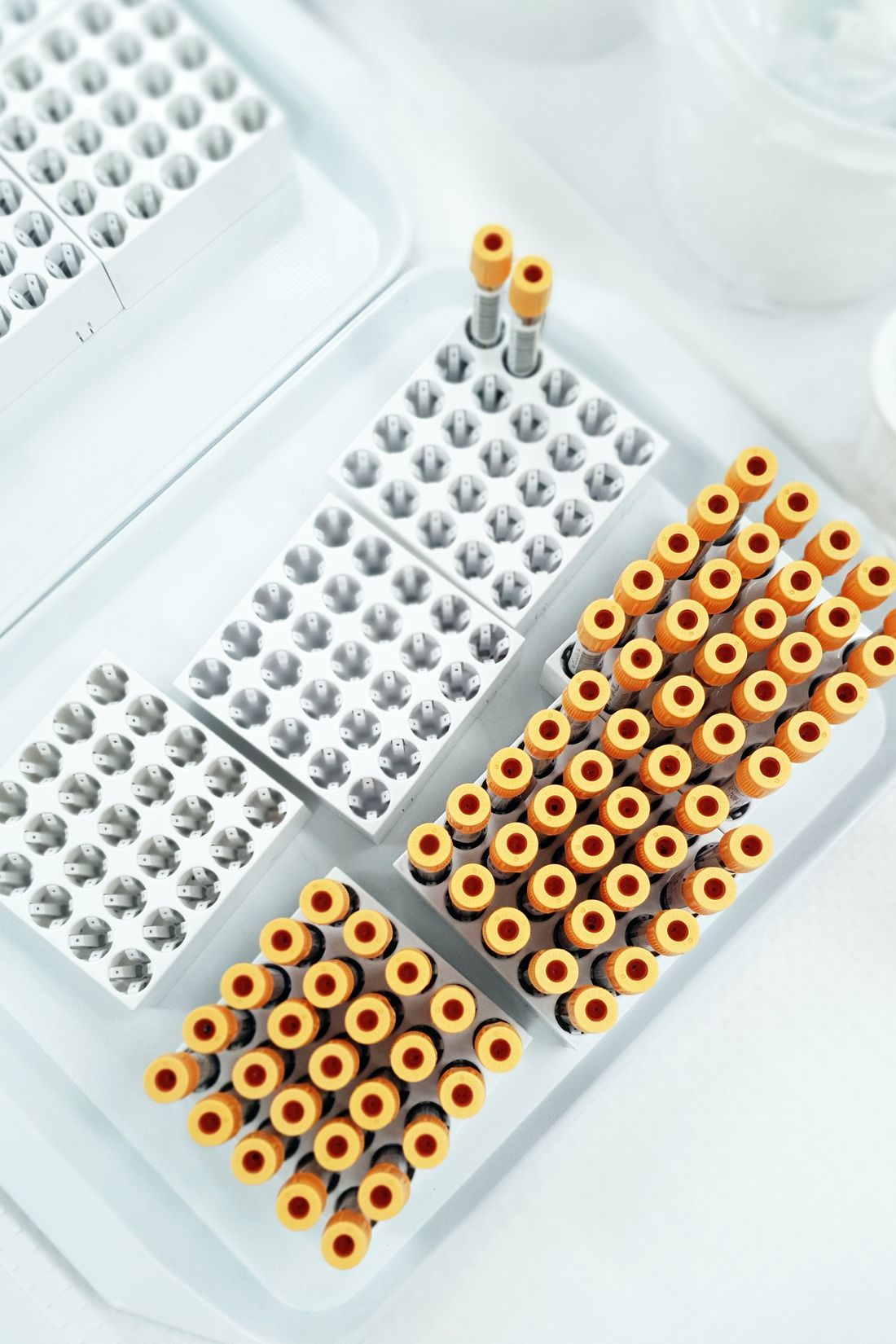
Prostate & PSA
Elevated PSA, benign prostate enlargement, urinary flow symptoms, pelvic discomfort and prostate cancer assessment.
Explore prostate conditions →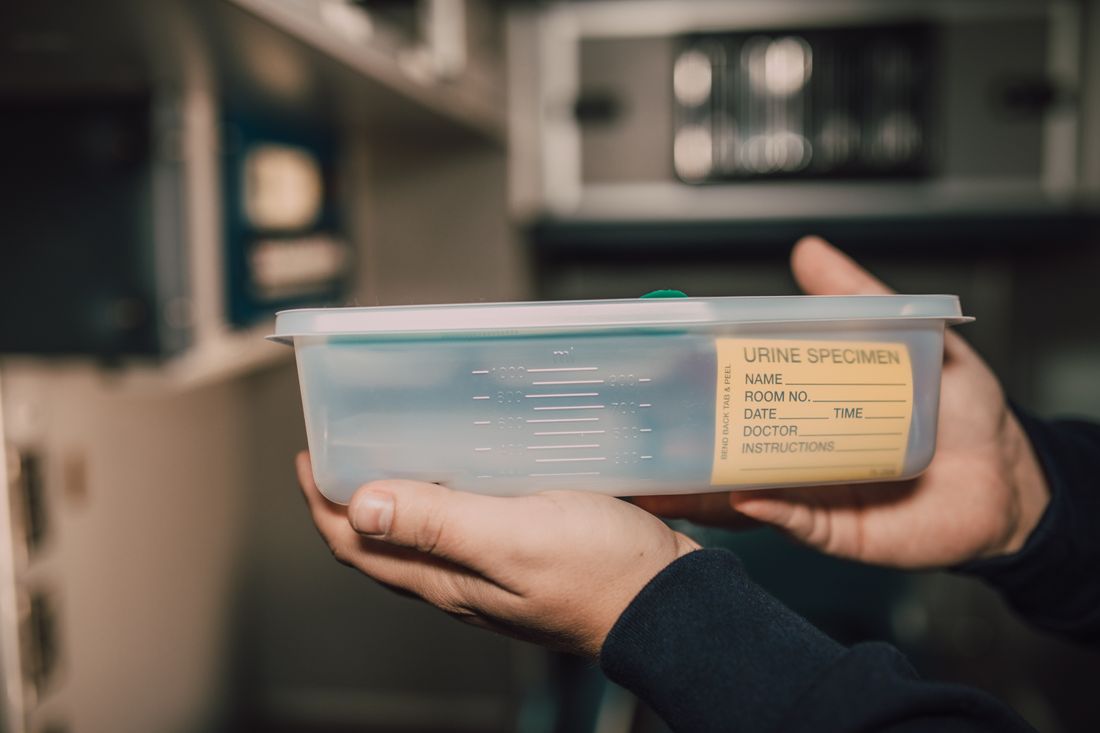
Bladder & Urinary Health
Blood in urine, recurrent infections, overactive bladder, urinary incontinence and problems with bladder emptying.
Explore bladder conditions →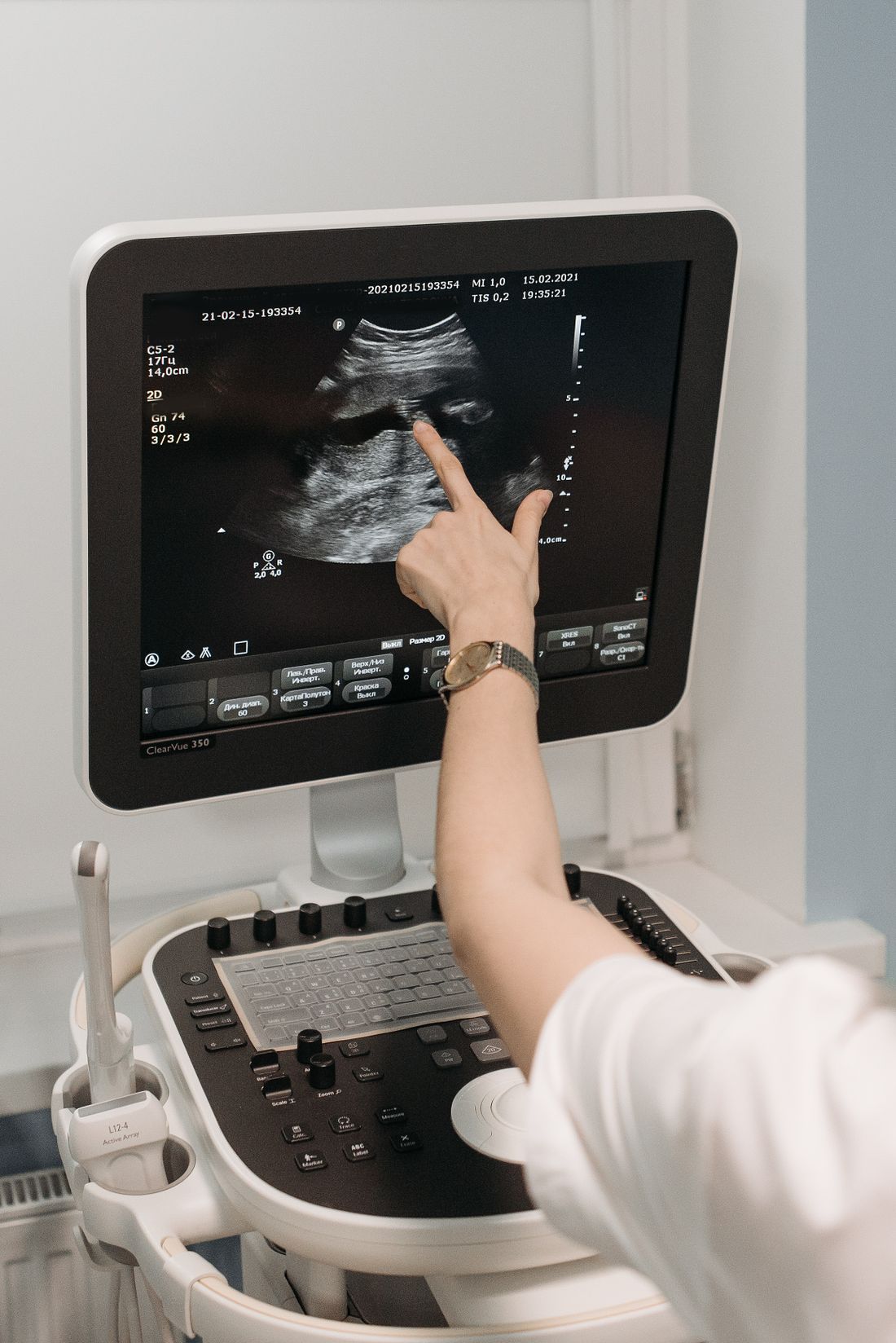
Kidneys & Stones
Kidney stones, ureteric stones, renal colic, hydronephrosis, kidney cysts and renal masses.
Explore kidney conditions →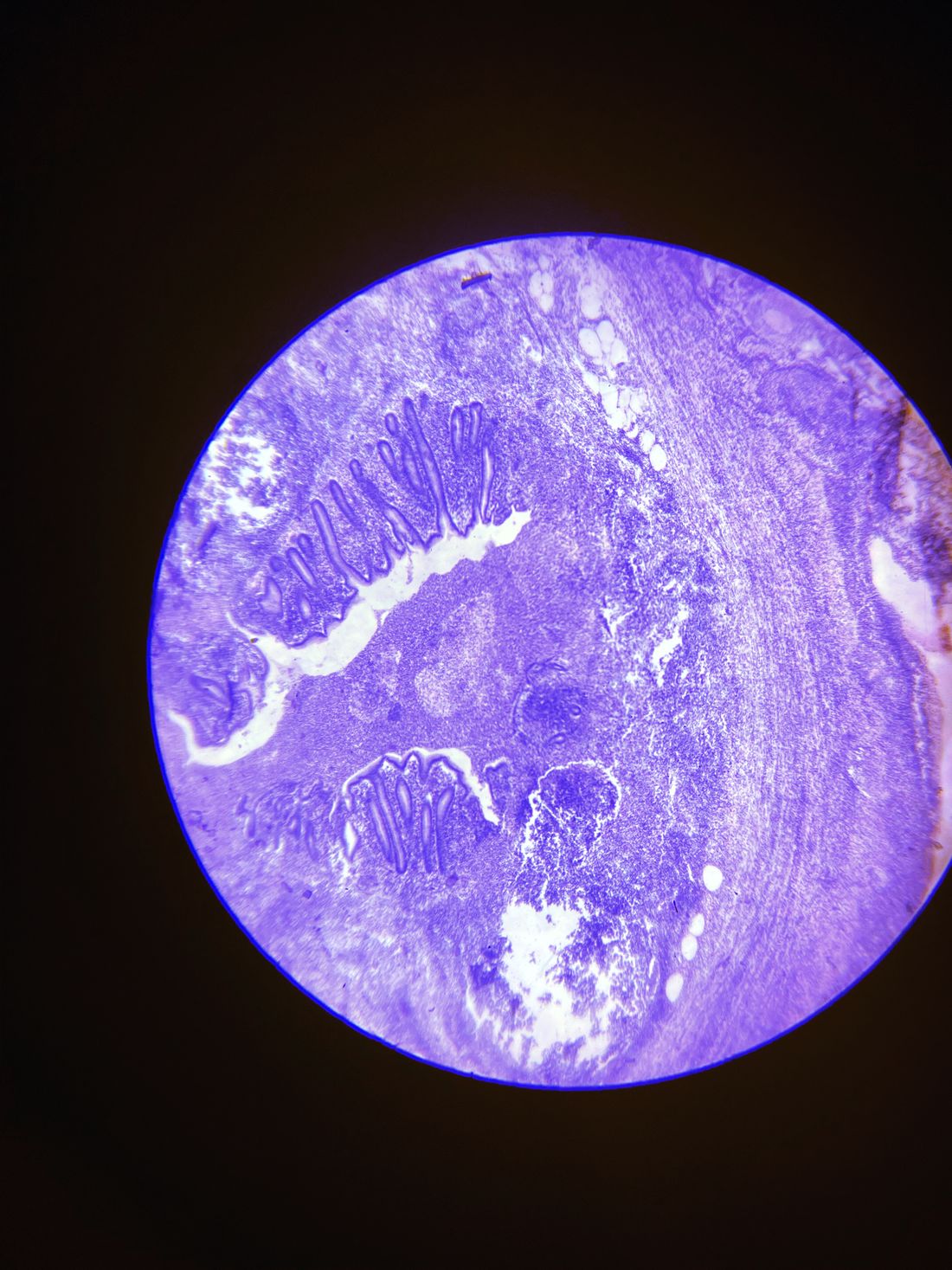
Urological Cancers
Investigation and management of prostate, bladder, kidney, testicular and selected penile cancers.
Explore cancer conditions →
Men's Urology
Vasectomy, foreskin conditions, hydrocele, testicular problems, erectile dysfunction and male fertility.
Explore men's urology →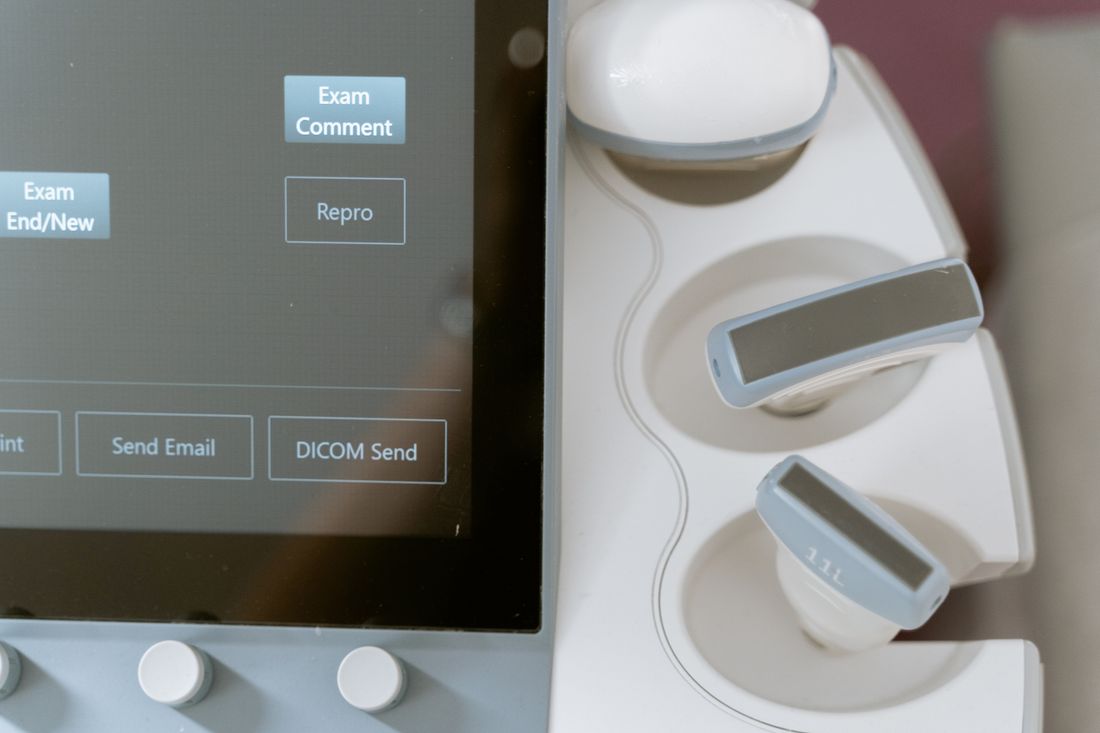
Women's Urology
Recurrent urinary infections, urgency, bladder overactivity, urinary leakage, bladder pain and urinary tract stones.
Explore women's urology →Conditions and symptoms
Search the urology directory.
Explore 62 searchable entries across all six areas of care. Search by diagnosis, symptom or everyday term.
What would you like to find?
Examples include “high PSA”, “blood in urine”, “weak stream”, “kidney stones”, “testicular lump” and “urinary leakage”.
Showing all conditions.
No direct match found
Try another term or contact the rooms if you are unsure which condition applies to your symptoms.
Call 07 3106 0379 →Prostate & PSA
Prostate health, urinary flow and PSA assessment.
- Elevated or rising PSA
- Enlarged prostate (BPH)
- Weak urinary stream
- Frequent night-time urination
- Difficulty starting urination
- Urinary retention
- Prostatitis and pelvic pain
- Prostate cancer assessment
- After prostate cancer treatment
Bladder & Urinary Health
Urinary storage, continence and emptying.
- Blood in urine (haematuria)
- Recurrent urinary tract infections
- Overactive bladder
- Frequent urination
- Urinary urgency
- Urinary incontinence
- Incomplete bladder emptying
- Bladder stones
- Bladder pain symptoms
- Neurogenic bladder dysfunction
- Male stress incontinence after prostate surgery
- Artificial urinary sphincter
Kidneys & Stones
Kidney and ureteric conditions.
- Kidney stones
- Ureteric stones
- Flank pain or renal colic
- Recurrent stone disease
- Kidney cysts
- Kidney masses
- Hydronephrosis
- Kidney stone prevention
- Ureteric stent symptoms
- Blood in urine associated with stones
Urological Cancers
Cancer investigation, treatment planning and surveillance.
- Prostate cancer
- Bladder cancer
- Kidney cancer
- Testicular cancer
- Penile cancer
- Abnormal urinary tract imaging
- Assessment of suspicious lesions
- Cancer follow-up and surveillance
- Cancer second-opinion consultations
Men's Urology
Male reproductive and genital health.
- Vasectomy
- Hydrocele
- Epididymal cysts
- Testicular pain
- Testicular lumps
- Phimosis and foreskin conditions
- Erectile dysfunction
- Male fertility concerns
- Varicocele
- Peyronie's disease
- Penile implants
- Azoospermia and low sperm count
- Vasectomy reversal and sperm retrieval
Women's Urology
General urinary tract conditions affecting women.
- Recurrent urinary infections
- Urinary urgency and frequency
- Overactive bladder
- Urinary leakage
- Blood in urine
- Bladder emptying difficulties
- Kidney stones
- Bladder pain symptoms
- Frequent night-time urination
Understanding your concern
Symptoms are the starting point, not necessarily the diagnosis.
Similar symptoms can have very different underlying causes.
A weak urinary stream may reflect prostate obstruction, urethral narrowing or reduced bladder contraction.
Urinary frequency can result from bladder overactivity, infection or incomplete bladder emptying.
Blood in the urine can occur with stones, infection, benign disorders or cancer and should be appropriately investigated.
Specialist assessment helps identify the likely cause and decide whether further investigation or treatment is warranted.
Investigations may include
- Urine testing and culture
- Blood tests, including PSA when appropriate
- Kidney and bladder ultrasound
- CT or MRI imaging
- Urinary flow and residual measurements
- Flexible cystoscopy
- Urodynamic testing in selected circumstances
- Biopsy where clinically indicated
Not every patient requires every test. Investigations should address a relevant clinical question.
What happens next?
From initial symptoms to a clearer treatment plan.
Many patients attend with an abnormal test or persistent symptom rather than a confirmed diagnosis.
Gather existing results
Bring your referral, medication list and previous pathology, imaging or operation reports if available.
Discuss the clinical problem
Your symptoms, medical history, previous treatments and relevant test results are reviewed together.
Consider suitable options
Management may involve reassurance, monitoring, additional investigations, medication or surgery.
Please include the presenting concern, symptom duration, relevant risk factors, prior treatment and available investigation results.
GP Referral Information →When is urgent assessment needed?
Sudden severe testicular pain, inability to pass urine with significant discomfort, fever or serious illness with suspected urinary obstruction, heavy urinary bleeding with clots, severe uncontrolled pain or a sudden significant penile injury may require emergency assessment.
Attend an emergency department for urgent problems. Call 000 for a life-threatening emergency.
Routine appointment requests are not an emergency service.
Common questions
Understanding urology care.
When should I see a urologist?
Persistent urinary symptoms, blood in the urine, elevated PSA, kidney stones, abnormal imaging, testicular concerns or male fertility problems may warrant specialist assessment. Your GP can help determine urgency.
Do I need to know my diagnosis?
No. Many patients are referred because of symptoms or an abnormal investigation. Specialist assessment helps clarify the underlying cause.
Does blood in the urine mean cancer?
Not necessarily. Infection, stones and other conditions can cause haematuria. However, blood in the urine requires appropriate medical assessment.
Does an elevated PSA mean prostate cancer?
No. PSA can be influenced by benign prostate enlargement, inflammation and other factors. Results should be interpreted with the clinical history.
Do kidney stones always need surgery?
No. Some stones can be observed or may pass naturally. Treatment depends on size, location, symptoms, obstruction, infection and kidney function.
Does Southside Urology see women and men?
Yes. General adult urinary tract conditions affect both women and men. The practice also provides specialist assessment of male reproductive and genital conditions.
Will I need an operation?
Not necessarily. Many urological problems can be monitored or managed without surgery. Treatment depends on the diagnosis, severity and individual circumstances.
What should I bring to my appointment?
Bring your referral, medication and allergy list, relevant pathology results, scans and previous specialist reports if available.
Where is Southside Urology located?
Suite 7, 2 Murrajong Road, Springwood QLD 4127. Telephone 07 3106 0379.
Can I search using everyday words?
Yes. The directory recognises familiar descriptions such as “weak stream”, “blood in urine”, “kidney stone”, “bent penis” and “low sperm count”.
Southside Urology · Springwood
Looking for specialist urology assessment?
A consultation can help clarify your symptoms, interpret existing results and discuss appropriate next steps.
Southside Urology
Suite 7, 2 Murrajong Road
Springwood QLD 4127
Phone: 07 3106 0379
Referral fax: 07 3036 6621
Online appointment requests are not confirmed bookings and are not monitored for emergencies.
Medical information notice: This page provides general educational information. It does not replace individual medical assessment, diagnosis or treatment. Similar symptoms can have different underlying causes.
Photographs are illustrative. They do not depict the consulting rooms, staff, procedures or individual patient outcomes at Southside Urology.